The most recent eruption on haleakalā was probably between a.d The lava flow in the foreground also originated from haleakalā The volcano is monitored by a continuous gps instrument and seismometer located near the southwest edge of the summit crater.
Haleakala’s Geologic History - 1 of the World's largest dormant volcanoes
Haleakalā has erupted at least ten times in the past 1,000 years
The last eruption occurred sometime between 1480 and 1600 according to scientific records
The history of haleakalā and its recent activity indicate that the volcano will erupt again in the future. In the past 1,000 years, haleakalā has erupted at least 10 times. Southern slope of east maui, haleakalā volcano seen from the air The most recent eruptions occurred sometime between the years 1480 and 1600
East maui's long eruptive history and recent activity indicate that the volcano will erupt in the future East maui's volume is about 30,000 km 3 (7,200 mi 3) with about 97% of the volume below sea level. Hvo seismometers recorded no earthquakes in the vicinity of the volcano The continuously recording global positioning system (gps) instrument on haleakalā recorded no significant deformation in the past month
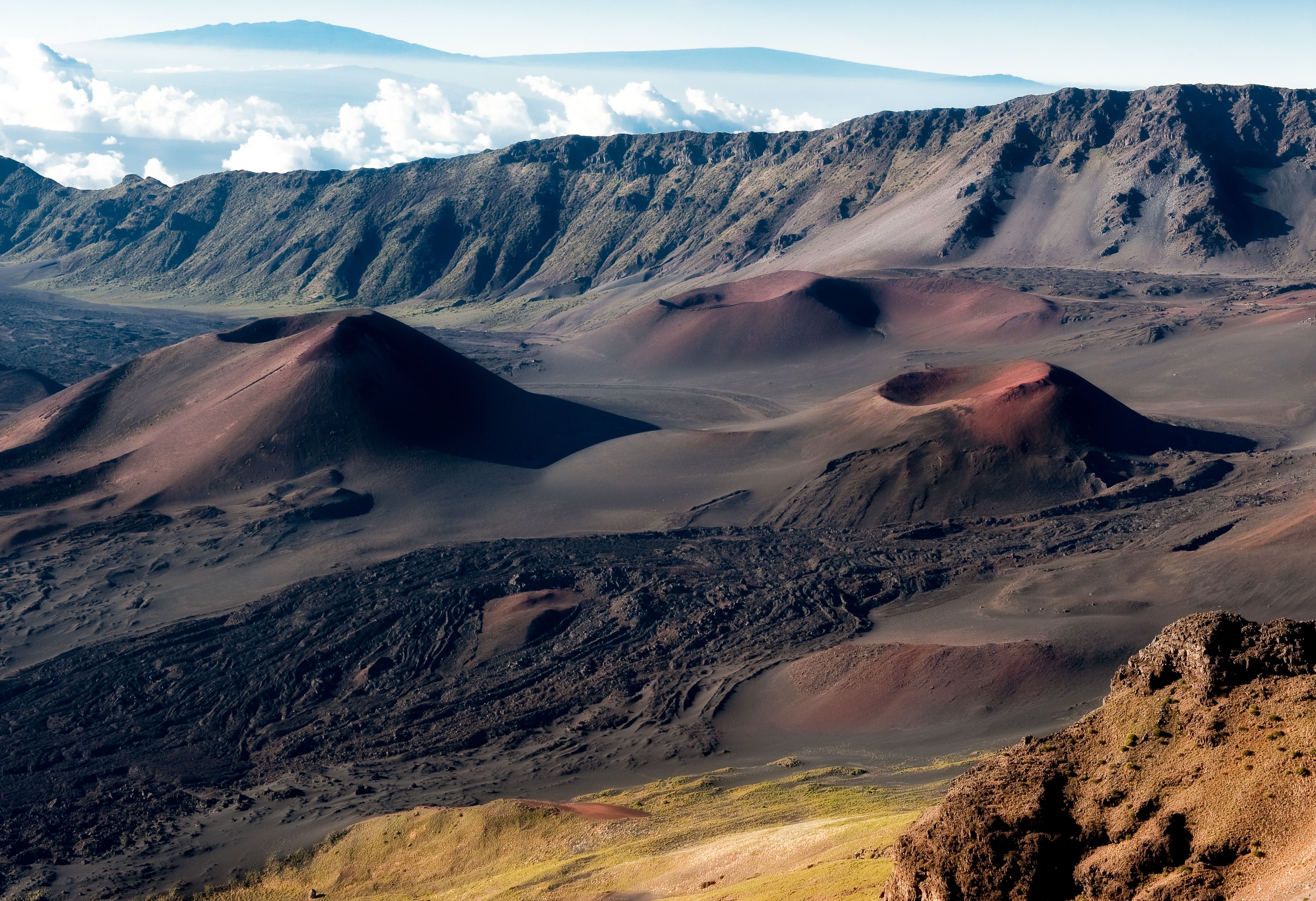
When did haleakala last erupt?when did haleakala last erupt
Until recently, east maui volcano was thought to have last erupted around 1790, based largely on comparisons of maps made during the voyages of la perouse and george vancouver Recent advanced dating tests, however, have shown that the last eruption was more likely to have been in the 17th century Haleakala volcano faq + when was the last eruption of haleakala volcano The last confirmed eruption of haleakala occurred in 1750.
When did haleakalā last erupt The history of haleakalā and its recent activity indicate that the volcano will erupt again in the future Although studies indicate that haleakalā will erupt again, the volcano is currently dormant. The broad haleakalā shield volcano towers over the eastern part of the island of maui, seen here from the beach at kihei on the west flank

Its summit profile is irregular because of the many scoria cones that have erupted along the sw rift zone, which extends from the coast to the summit

