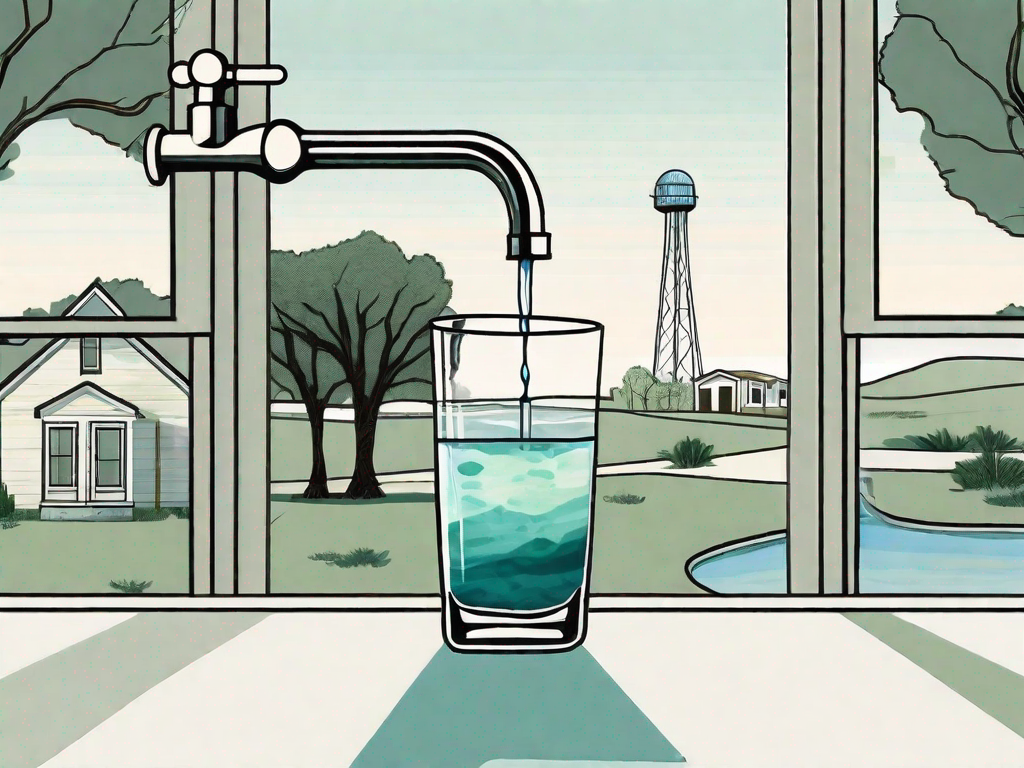
Picture this: it's a hot summer day in Terrell Hills, Texas, and you're in desperate need of a refreshing glass of water. But as you fill up your glass from the tap, a nagging thought crosses your mind: is this water actually safe to drink? Well, my curious friend, let's dive into the world of water quality standards and find out the truth!
Understanding Water Quality Standards
Water quality is no laughing matter, folks. It affects everything from our health to the environment. That's why having some knowledge about it is crucial. So, let's start with the basics. Water quality refers to the physical, chemical, and biological properties of water that determine its suitability for various uses, including drinking.
Now, why is water quality so important, you may ask? Well, let me tell you. Clean and safe drinking water is essential for our well-being. It quenches our thirst, keeps us hydrated, and, dare I say, makes our skin glow like a summer sunset.
But let's dive deeper into the significance of water quality. Did you know that poor water quality can lead to a multitude of health issues? Contaminated water can contain harmful bacteria, viruses, and parasites that can cause diseases such as diarrhea, cholera, and dysentery. These illnesses can be particularly dangerous for vulnerable populations, such as children, the elderly, and those with weakened immune systems.
Ensuring water quality standards are met is vital for protecting public health. Nobody wants to be struck down by waterborne diseases or experience the not-so-fun symptoms of contaminated water. Plus, clean water helps maintain healthy aquatic ecosystems and supports a wide array of flora and fauna.
The Importance of Water Quality
Now that we understand the importance of water quality, let's take a closer look at how it is assessed and regulated. Water quality is evaluated through a series of tests and measurements that analyze various parameters. These include physical characteristics such as temperature, color, and turbidity, as well as chemical properties like pH, dissolved oxygen, and the presence of contaminants.
Water quality standards are established by regulatory agencies at both the federal and state levels. These guidelines dictate the maximum allowable levels of various contaminants in our drinking water, like a stringent bodyguard protecting us from harm. The Environmental Protection Agency (EPA) sets the national standards, while individual states may have additional regulations to address specific regional concerns.
Federal and State Water Quality Standards
When it comes to water quality, the federal and state governments have got our backs. They've established a set of standards and regulations to keep our water safe and sound. These guidelines ensure that the water we consume meets all the necessary health requirements.
In Terrell Hills, Texas, water quality standards are determined by environmental agencies, based on thorough research, monitoring, and analysis of the local water sources. These agencies work tirelessly to ensure that the water you sip on is up to snuff. They conduct regular sampling and testing to assess the levels of contaminants and ensure compliance with the established standards.
It's important to note that water quality standards are not static. They are regularly reviewed and updated to reflect new scientific knowledge and emerging concerns. This ongoing process ensures that our water remains safe and healthy for generations to come.
The Source of Terrell Hills' Water
Now that we've covered the importance of water quality, let's take a closer look at the water sources in Terrell Hills. Where does our beloved aqua come from and how is it treated? Time to find out!
Natural Water Sources in Terrell Hills
Terrell Hills is fortunate to have a variety of natural water sources, ranging from springs to underground wells. These sources provide a steady supply of water to keep us hydrated and happy.
Water Treatment Processes in Terrell Hills
Of course, we can't just drink the water straight from the ground. It goes through a series of rigorous treatment processes to ensure it meets all the necessary quality standards. From filtration to disinfection, these processes work their magic to remove impurities and make the water safe to drink.
Potential Contaminants in Terrell Hills' Water
While Terrell Hills' water undergoes treatment processes to maintain its quality, there's always a chance that some contaminants may creep their way in. It's like a sneaky game of hide-and-seek, but with unwanted substances. Let's uncover the truth about potential contaminants, shall we?
Common Water Contaminants
Contaminants can come from various sources, including industrial activities, agriculture, and even natural processes. Some common water contaminants include bacteria, viruses, pesticides, heavy metals, and chemicals. They may sound scary, but fear not! The treatment processes in place help minimize their presence in Terrell Hills' drinking water.
Contaminants Specific to Terrell Hills
Terrell Hills has its own unique set of challenges when it comes to water quality. Factors like local industries, geographical characteristics, and human activities can introduce specific contaminants into the water supply. Thankfully, continuous testing and monitoring ensure these contaminants are quickly identified and addressed.
Testing and Monitoring of Terrell Hills' Water
Speaking of testing and monitoring, let's dig deeper into the processes that keep an eagle eye on Terrell Hills' water quality. It's like having our very own water watchdogs!
Regular Water Testing Procedures
Regular water testing is essential to catch any potential issues before they become big problems. The water from various locations in Terrell Hills is regularly collected and subjected to rigorous analysis. This testing goes beyond merely checking for contaminants; it also evaluates other factors like pH levels and clarity to ensure the water remains tip-top.
How Contaminant Levels are Monitored
Monitoring contaminant levels is no walk in the park, my friend. Continuous monitoring stations are strategically placed throughout Terrell Hills to keep a close eye on any changes in water quality. These stations use advanced technology to detect even the tiniest fluctuations in contaminants and ensure that prompt action is taken.
How to Ensure Your Water is Safe
Now, I know all this talk about contaminants may have you feeling a bit uneasy, but fear not! There are steps you can take to ensure your water remains as safe as can be. Let's explore a couple of options, shall we?
Home Water Testing Kits
If you're the DIY type or just want some extra peace of mind, home water testing kits can be your trusty sidekick. These kits allow you to analyze your water within the comfort of your own home, giving you a clear idea of its quality. It's like being your very own water detective!
Steps to Take if Your Water is Contaminated
If, heaven forbid, your water test results reveal some unwelcome visitors, don't panic! There are steps you can take to address the issue. Contact your local water authority or environmental agency for guidance, and they'll assist you in rectifying the situation and getting your water quality back on track.
The Verdict: Is Terrell Hills' Water Safe to Drink?
Okay, now that we've explored the ins and outs of Terrell Hills' water quality, it's time for the grand unveiling. The answer, my friends, is a resounding YES! The dedicated efforts of water treatment processes, regular testing, and monitoring ensure that Terrell Hills' water is safe for your sipping pleasure.
So next time you fill up that glass from the tap, take a moment to appreciate the hard work that goes into ensuring your water is not only safe but also downright delicious. Cheers to safe sipping in Terrell Hills, Texas!







