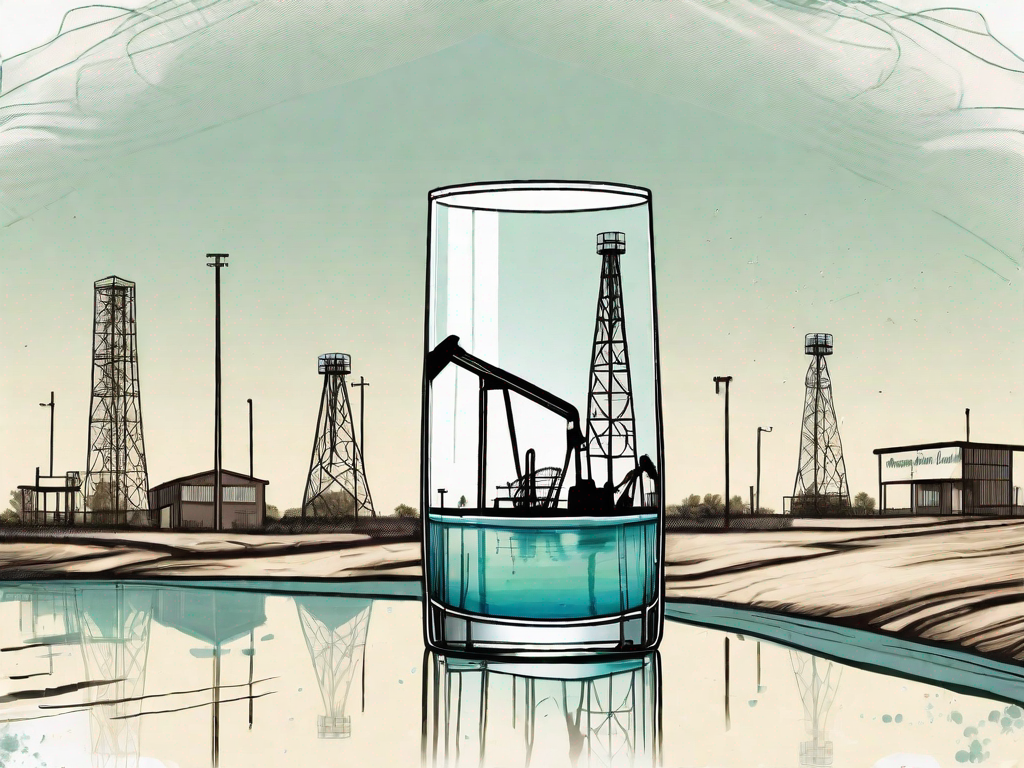
Seminole, Oklahoma. The land of cowboys, oil wells, and, most importantly, water. Ah, water. The elixir of life, the hydrating hero we all need. But is Seminole's water safe to drink? Let's dive right in and find out!
Understanding Water Safety Standards
When it comes to drinking water, we want the gold standard. The crème de la crème. That's why we turn to federal and state regulations. They're the superheroes of water safety, swooping in to ensure our hydration happiness.
But what exactly do these regulations entail? Let's take a closer look at the Federal and State Regulations for Drinking Water. These might sound like fancy bureaucratic mumbo-jumbo, but they're actually our trusty guardians. They set the rules, conduct tests, and keep a watchful eye on the water quality in Seminole. It's like having a team of dedicated water warriors working tirelessly to protect our well-being. Phew, we can breathe a sigh of relief.
Now, let's dig a little deeper and explore the Key Indicators of Water Quality. These little nuggets of wisdom help us understand if our water is as clean as a freshly polished boot. Turbidity, pH levels, and chlorine content are just a few of the things they look out for. Turbidity refers to the cloudiness or haziness of the water, and it can indicate the presence of suspended particles or pollutants. pH levels, on the other hand, measure the acidity or alkalinity of the water, providing valuable insights into its overall quality. And let's not forget about chlorine content, which plays a crucial role in disinfecting our water supply and keeping harmful microorganisms at bay. It's like having water detectives on the case, constantly monitoring these key indicators to ensure our water meets the highest safety standards.
But why are these key indicators so important? Well, turbidity can affect the taste and appearance of our drinking water, and high levels of suspended particles may indicate the presence of harmful contaminants. pH levels, if too high or too low, can also impact the taste and safety of our water. And chlorine, while essential for disinfection, needs to be carefully regulated to prevent any potential health risks. So, by keeping a close eye on these indicators, we can rest assured that our water is not only safe to drink but also meets the highest quality standards.
So, the next time you take a refreshing sip of water, remember the unsung heroes behind the scenes - the federal and state regulations and the key indicators of water quality. They work tirelessly to ensure that our water is not just a basic necessity, but a source of pure and reliable hydration. Cheers to their unwavering dedication!
The Source of Seminole's Water Supply
Just like a cowboy needs a trusty horse, Seminole needs a reliable water supply. So, where does it come from, you ask?
Natural Water Sources in Seminole are the heroes of this story. Mother Nature provides us with groundwater and surface water that flows through our beautiful county. It's like a refreshing natural spring right in our backyard.
But wait, there's more! Water Treatment Processes in Seminole take that raw water and transform it into crystal-clear elixir. With cutting-edge technologies and skilled water wizards, our water goes through careful purification, filtration, and disinfection processes. It's like sending water to a spa – it comes back revitalized and ready to quench our thirst.
Let's dive deeper into the natural water sources of Seminole. The county is blessed with an abundance of underground aquifers, which act as vast reservoirs of fresh water. These aquifers are formed over thousands of years as rainwater seeps through the ground, getting filtered and purified naturally. As a result, the water that emerges from these underground sources is of exceptional quality, free from pollutants and contaminants.
Surface water, on the other hand, plays a crucial role in Seminole's water supply. The county is home to numerous lakes, rivers, and streams that meander through its picturesque landscapes. These surface water bodies not only provide a scenic backdrop but also serve as important sources of water for the community. Through a well-designed network of collection systems, the surface water is carefully harnessed and transported to treatment facilities.
Now, let's take a closer look at the water treatment processes in Seminole. Once the raw water is collected from natural sources, it undergoes a series of meticulous steps to ensure its safety and quality. The first stage is coagulation, where chemicals are added to the water to bind impurities together, forming larger particles that can be easily removed. Next comes sedimentation, where the water is allowed to sit undisturbed, allowing the impurities to settle at the bottom.
After sedimentation, the water enters the filtration stage, where it passes through layers of sand, gravel, and activated carbon. These filtration media act as a physical barrier, trapping any remaining particles and removing any unpleasant odors or tastes. The final step in the treatment process is disinfection, where chemicals like chlorine or ultraviolet light are used to kill any remaining bacteria, viruses, or other harmful microorganisms.
But the water treatment process doesn't end there. Seminole takes it a step further by implementing advanced technologies to ensure the highest quality water for its residents. This includes the use of reverse osmosis, a process where water is forced through a semi-permeable membrane to remove even the tiniest impurities. Additionally, the water is constantly monitored and tested at various stages to ensure it meets or exceeds all regulatory standards.
So, the next time you turn on your faucet in Seminole, remember that the water you're enjoying is not just a simple resource. It's a result of the harmonious collaboration between nature's gifts and human ingenuity, ensuring a safe and reliable water supply for the community. Cheers to the wonders of Seminole's water sources and the dedicated individuals who work tirelessly to provide us with this life-sustaining elixir!
Potential Contaminants in Seminole's Water
Seminole's water might be clean, but there could still be a few villains lurking around. Let's unmask them, shall we?
Common Water Contaminants and Their Effects are like unwanted guests crashing our water party. They can range from bacteria and viruses to chemicals and metals. But fear not! We'll expose their weak points and show them the door.
How Contaminants Enter the Water Supply is the ultimate tell-all book for water criminals. They sneak in through industrial discharges, agricultural runoffs, and even leaky water pipes. But guess what? We have the power to stop them!
Testing and Monitoring of Seminole's Water Quality
We can't just rely on suppositions when it comes to our water. We need hard evidence, solid facts, and some good ol' testing and monitoring.
Regular Water Testing Procedures are like routine check-ups for Mother Earth's liquid gift. Our water warriors take samples, run tests, and ensure that everything is up to par. After all, even water deserves a health check.
Public Access to Water Quality Reports is like having a backstage pass to the best show in town. These reports spill the beans on all the important water quality data. We can peek behind the curtain and see firsthand how Seminole's water is doing.
Steps to Ensure Your Water is Safe
Now that we have all the information, it's time to take action! Let's make sure our water is as safe as singing "Home on the Range" in the shower.
Home Water Filtration Systems are like bodyguards for our water glasses. They catch those pesky contaminants and keep them at bay. It's like having a water superhero right in your own home - talk about a win-win situation!
When and How to Report Water Quality Issues is our final call to action. If something seems fishy with your water, don't just sit there and twiddle your thumbs. Report it! Seminole's water heroes are ready to swoop in and save the day.
So, is Seminole, Oklahoma water safe to drink? The answer is a resounding YES! With the power of regulations, the natural sources, and the water treatment processes, Seminole's water supply is as safe as can be. But hey, it never hurts to be a little extra cautious. Install a home water filtration system, keep an eye on those water quality reports, and remember, if you suspect anything fishy, report it! After all, clean water is the lifeblood of Seminole, and we're all in this hydration game together.







