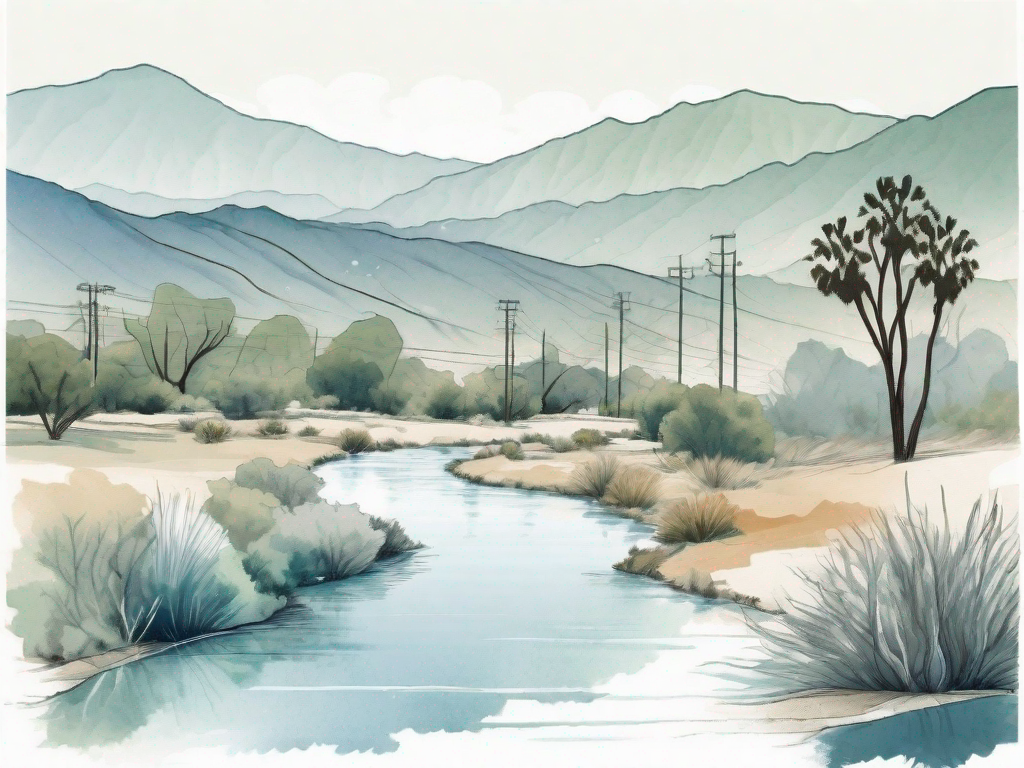
Located in the scenic valley of Ventura County, Ojai, California is renowned for its breathtaking landscape and tranquil vibes. But amidst the natural beauty, a question lingers – is Ojai's water safe to drink? Let's dive in and explore the source of Ojai's water, potential contaminants, health implications, government regulations, and local efforts to improve water quality.
Understanding the Source of Ojai's Water
Ojai, a picturesque town nestled in the heart of the Los Padres National Forest, is known for its abundant water supply. The water in Ojai comes from a mix of natural sources and local water treatment processes, which work together to ensure the overall water quality.
Natural Water Sources in Ojai
One of the reasons Ojai's water is so pristine is due to its natural water sources. These sources include breathtaking natural springs and wells that dot the landscape. These hidden gems are tucked away in the surrounding mountains, where fresh, pure water originates. As the water flows down from the mountains, it meanders through the lush valleys, creating a picturesque scene that is not only visually appealing but also a vital source of water for the community.
The natural springs and wells in Ojai are not only a source of water but also a testament to the town's rich geological history. Over thousands of years, the water has seeped through layers of rock, picking up minerals along the way. This natural filtration process gives Ojai's water a unique taste and composition, making it highly sought after by both locals and visitors.
The Role of Water Treatment in Ojai
While the natural water sources in Ojai provide a solid foundation, additional steps are taken to ensure the safety and purity of the water supply. Ojai's water undergoes a series of rigorous treatment processes before it reaches your tap.
The first step in the water treatment process is filtration. This crucial step involves removing any large particles or debris that may be present in the water. Through a combination of physical barriers and chemical treatments, impurities are effectively removed, leaving behind cleaner water.
After filtration, the water goes through a disinfection process. This step is essential in eliminating any harmful bacteria, viruses, or other microorganisms that may be present in the water. Various disinfection methods, such as chlorination or ultraviolet (UV) treatment, are employed to ensure the water is safe for consumption.
Lastly, sedimentation is employed to remove any remaining suspended particles that may have escaped the earlier filtration process. Sedimentation involves allowing the water to settle, allowing any remaining particles to sink to the bottom, where they can be easily removed.
By combining the natural purity of Ojai's water sources with these meticulous treatment processes, the town can provide its residents with a reliable and safe water supply. This commitment to water quality is a testament to Ojai's dedication to the well-being of its community.
Key Contaminants in Drinking Water
While it's essential to be aware of potential contaminants in drinking water, it's crucial to note that not all contaminants pose significant health risks. Understanding the common and specific contaminants found in California's water supply and how they relate to Ojai's water quality can provide valuable insights into ensuring water safety.
Common Contaminants in California's Water
Like many regions, California faces challenges regarding common water contaminants. These contaminants include lead, nitrates, arsenic, and disinfection byproducts. Lead contamination can occur due to aging infrastructure or plumbing materials, while nitrates can originate from agricultural activities or septic systems. Arsenic, a naturally occurring element, can find its way into water sources through geological processes. Disinfection byproducts, on the other hand, are formed when disinfectants react with organic matter in the water.
Fortunately, stringent regulations are in place to ensure water safety in California. The California Department of Public Health, the Environmental Protection Agency (EPA), and local water agencies work together to monitor and regulate water quality. These regulations set maximum contaminant levels for various substances, ensuring that the water supplied to communities meets or exceeds safety standards.
Specific Contaminants in Ojai's Water
Ojai, a charming city nestled in the Ojai Valley of Ventura County, has its unique set of challenges when it comes to water quality. While the region's water undergoes treatment processes, it may still contain traces of specific contaminants that require attention.
Agricultural runoff is one of the primary concerns in Ojai's water quality. The city is surrounded by fertile farmlands, and the use of fertilizers, pesticides, and herbicides in agricultural practices can lead to the contamination of water sources. These chemicals can seep into the ground and find their way into rivers, streams, and underground aquifers, ultimately affecting the quality of drinking water.
Another factor that can contribute to water contamination in Ojai is mineral deposits. The region's geological composition may contain minerals that can dissolve in water, such as iron, manganese, or calcium. While these minerals are not necessarily harmful to human health, they can affect the taste, odor, and appearance of the water. Additionally, high levels of minerals can lead to the formation of scale in pipes and appliances, reducing their efficiency and lifespan.
Naturally occurring substances can also pass through the treatment process and be present in Ojai's water. For example, some areas in Ojai may have elevated levels of radon, a radioactive gas that can dissolve in water. Radon is a known carcinogen and long-term exposure to high levels of radon in drinking water can increase the risk of developing certain types of cancer.
Ensuring the safety and quality of Ojai's drinking water requires ongoing monitoring, testing, and treatment. Local water agencies work diligently to implement measures that minimize the presence of contaminants and meet the regulatory standards set by the EPA and the California Department of Public Health. By staying informed and actively participating in water conservation efforts, the community can contribute to maintaining a reliable and safe water supply for Ojai.
Health Implications of Ojai's Water Quality
When it comes to health effects, it's essential to consider both short-term and long-term implications associated with Ojai's water quality.
Short-Term Health Effects
Drinking water with short-term contaminants may lead to gastrointestinal distress, nausea, or diarrhea. However, it's important to emphasize that Ojai's water treatment systems are designed to mitigate these risks, ensuring your safety.
Long-Term Health Effects
The long-term health effects of Ojai's water are of paramount concern. While concentrations of contaminants may be below regulatory limits, it's necessary to remain vigilant and adopt best practices to minimize potential health risks.
Government Standards and Regulations for Safe Drinking Water
The government plays a crucial role in safeguarding drinking water quality through regulations. Let's explore federal and state standards applicable to Ojai's water.
Federal Water Quality Standards
The United States Environmental Protection Agency (EPA) establishes federal regulations that set limits on various contaminants in drinking water. These guidelines ensure that the water you consume meets the highest standards for safety.
California's State Water Quality Standards
California, known for its stringent environmental regulations, sets additional standards to address specific challenges faced by the state. By adhering to these regulations, Ojai's water providers ensure the safety and well-being of their residents.
Ojai's Efforts to Improve Water Quality
Ojai's commitment to water quality extends beyond meeting regulatory requirements. The community actively participates in initiatives to enhance water treatment and promote a sustainable future.
Local Water Treatment Initiatives
Ojai embraces innovative water treatment technologies aimed at reducing contaminants and ensuring a robust treatment process. These initiatives help maintain the community's access to safe, clean drinking water.
Community Involvement in Water Quality Improvement
From individual conservation efforts to community-wide awareness campaigns, Ojai consistently demonstrates a collective commitment to improving water quality. By actively engaging the community, Ojai ensures a sustainable water source for generations to come.
In conclusion, while Ojai's water undergoes a comprehensive treatment process and meets government safety regulations, it's always recommended to stay informed and take precautions. By understanding the source of Ojai's water, potential contaminants, health implications, government standards, and local efforts, residents can confidently enjoy the beauty of this remarkable region while staying hydrated with safe water.







