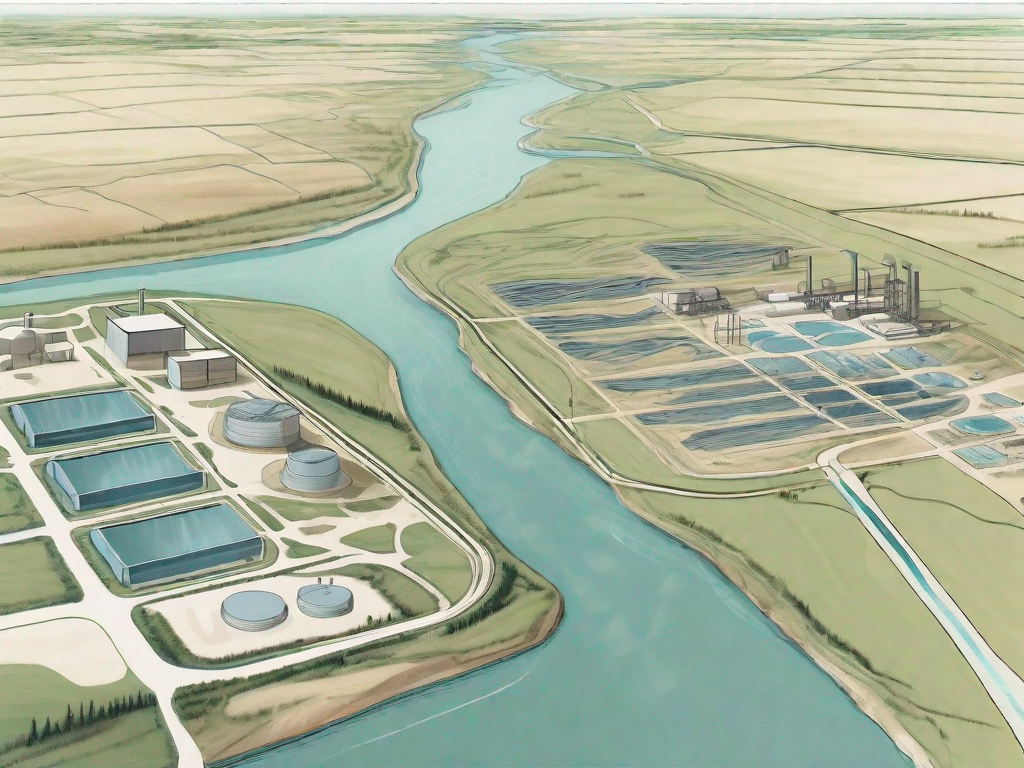
If you're living in Jamestown, North Dakota or planning to visit, you may be wondering: is the water safe to drink? Water safety is an essential aspect of our daily lives, and understanding the standards and processes involved is crucial. In this article, we will explore the water safety standards, sources, potential contaminants, testing and monitoring procedures, and ways to ensure your water is safe in Jamestown. So, let's dive in and quench our thirst for knowledge!
Understanding Water Safety Standards
When it comes to water safety, both federal regulations and state-level standards play a significant role. Let's take a closer look at each:
Federal Regulations for Drinking Water
The U.S. Environmental Protection Agency (EPA) sets the standards for drinking water quality across the country. These standards, known as the Safe Drinking Water Act, aim to protect public health and regulate the presence of harmful contaminants.
Under the Safe Drinking Water Act, the EPA establishes maximum contaminant levels (MCLs) for various substances that may be found in drinking water. These MCLs are based on extensive research and scientific studies to ensure that the water consumed by the public is safe and free from harmful pollutants.
The EPA also requires water systems to regularly monitor and test their water supply to ensure compliance with the established standards. This monitoring includes testing for bacteria, viruses, chemicals, and other potential contaminants that may pose a risk to public health.
In addition to setting MCLs, the EPA also establishes treatment techniques and processes that water systems must implement to remove or reduce the presence of contaminants. These treatment techniques may include filtration, disinfection, and other processes that are proven to be effective in ensuring the safety of drinking water.
State-Level Water Quality Standards in North Dakota
In addition to federal regulations, North Dakota has its own water quality standards. The North Dakota Department of Environmental Quality establishes these standards to ensure that the water provided to residents meets their health and safety requirements.
The state-level water quality standards in North Dakota are designed to complement the federal regulations set by the EPA. While the EPA's standards provide a baseline for water safety, the state-level standards take into account specific regional factors and address unique challenges that may be present in North Dakota's water sources.
North Dakota's water quality standards cover various aspects of water safety, including the protection of drinking water sources, the prevention of pollution, and the regulation of wastewater treatment. These standards are regularly reviewed and updated to reflect new scientific research, technological advancements, and changing environmental conditions.
The North Dakota Department of Environmental Quality works closely with water systems, local communities, and other stakeholders to ensure compliance with the state's water quality standards. This collaborative approach helps to identify and address any potential issues or concerns related to water safety in the state.
By having both federal and state-level water safety standards in place, North Dakota aims to provide its residents with clean and safe drinking water. These standards serve as a crucial framework for ensuring the protection of public health and the preservation of the state's water resources.
The Source of Jamestown's Water Supply
Now that we understand the safety standards, let's explore where Jamestown's water comes from and how it is treated:
Natural Water Sources in Jamestown
Jamestown, a picturesque town nestled in the heart of the countryside, relies on several natural water sources for its water supply. These sources include pristine rivers, serene lakes, and vast underground reservoirs of groundwater. It is a true testament to the town's commitment to sustainability that they harness the power of these natural resources to provide clean and safe drinking water to its residents.
The rivers that flow through Jamestown are a lifeline for the town's water supply. As they meander through the lush green landscape, they carry with them a wealth of freshwater that is essential for the town's daily needs. These rivers act as a natural reservoir, constantly replenishing the water supply and ensuring a steady flow to meet the demands of the community.
In addition to rivers, Jamestown also taps into the abundant lakes that dot its picturesque surroundings. These shimmering bodies of water not only provide a scenic backdrop for the town but also serve as a vital source of drinking water. The lakes act as natural filters, purifying the water as it passes through their pristine depths, ensuring that it is of the highest quality before it undergoes further treatment.
Underneath the town's charming streets and quaint buildings lies a hidden treasure - vast underground reservoirs of groundwater. These hidden aquifers hold a vast amount of water, accumulated over centuries, and provide a reliable and sustainable source of drinking water for Jamestown. The groundwater is carefully extracted, ensuring that the delicate balance of nature is maintained, and the needs of the town are met without depleting this precious resource.
Water Treatment Processes in Jamestown
Before the water from Jamestown's natural sources is distributed to residents, it undergoes a series of rigorous treatment processes. These processes are meticulously designed to ensure that the water is not only safe to drink but also meets the highest quality standards.
One of the primary treatment processes that the water goes through is sedimentation. This process involves allowing the water to sit undisturbed in large tanks, allowing any suspended particles to settle at the bottom. The settled particles, including sand, silt, and other debris, are then removed, ensuring that the water is clear and free from any visible impurities.
After sedimentation, the water undergoes filtration, where it passes through layers of fine filters. These filters act as a barrier, trapping any remaining particles or impurities that may have escaped the sedimentation process. This additional step ensures that the water is thoroughly purified, leaving no room for any contaminants to pass through.
Once the water has been sedimented and filtered, it is time for disinfection. This crucial step involves the addition of disinfectants, such as chlorine or ozone, to kill any harmful microorganisms that may be present in the water. The disinfection process is carefully monitored to ensure that the water is effectively treated while maintaining the optimal balance of disinfectant levels.
In addition to sedimentation, filtration, and disinfection, the water may also undergo pH adjustment. This process involves carefully regulating the acidity or alkalinity of the water to ensure that it falls within the acceptable range for drinking water. By adjusting the pH, the water treatment plant ensures that the water is not only safe but also pleasant to taste.
The strict adherence to these treatment processes is a testament to Jamestown's commitment to providing its residents with clean and safe drinking water. The dedicated team of professionals at the water treatment plant works tirelessly to ensure that every drop of water that flows through the town's faucets meets the highest standards of quality and safety.
Potential Contaminants in Jamestown's Water
While the treatment processes are designed to remove contaminants, it's important to be aware of potential risks:
Common Water Contaminants
Water can contain various contaminants, such as bacteria, viruses, lead, pesticides, and nitrates. The treatment processes in Jamestown are designed to remove these substances and provide safe drinking water.
Specific Risks to Jamestown's Water Quality
Due to industrial activities, agricultural runoff, or other factors, specific risks to water quality may exist in Jamestown. Regular testing and monitoring address these potential issues and allow for proactive measures to be taken.
Testing and Monitoring of Jamestown's Water
Ensuring the water consistently meets safety standards necessitates regular testing and monitoring:
Regular Water Quality Testing Procedures
Jamestown has established comprehensive testing procedures to assess the quality of its water. Trained professionals collect samples at various points throughout the distribution system and analyze them using advanced laboratory techniques.
Public Access to Water Quality Reports
To promote transparency, Jamestown provides public access to water quality reports. These reports detail the testing results, including the presence of any contaminants and the steps taken to address them. By being aware of these reports, residents can have peace of mind about the safety of their drinking water.
How to Ensure Your Water is Safe
While Jamestown's water supply undergoes rigorous testing and treatment, it's always good to take extra precautions:
Home Water Testing Kits
If you'd like additional reassurance about your water quality, you can consider using home water testing kits. These kits allow you to test for specific contaminants and can provide supplemental information to the official testing conducted by Jamestown.
Water Filtration Systems for Extra Safety
Installing a water filtration system can add an extra layer of protection to your drinking water. These systems can effectively remove additional contaminants, giving you peace of mind while enjoying a refreshing glass of water.
In conclusion, the water in Jamestown, North Dakota is subject to strict federal and state safety standards. With thorough testing and advanced treatment processes, the city ensures that the water supplied to residents is safe for consumption. By staying informed about water quality reports and considering additional measures like home water testing kits or filtration systems, you can further ensure the safety of your drinking water. So, bottoms up! Drink with confidence and stay hydrated knowing that the water in Jamestown is safe to drink!







