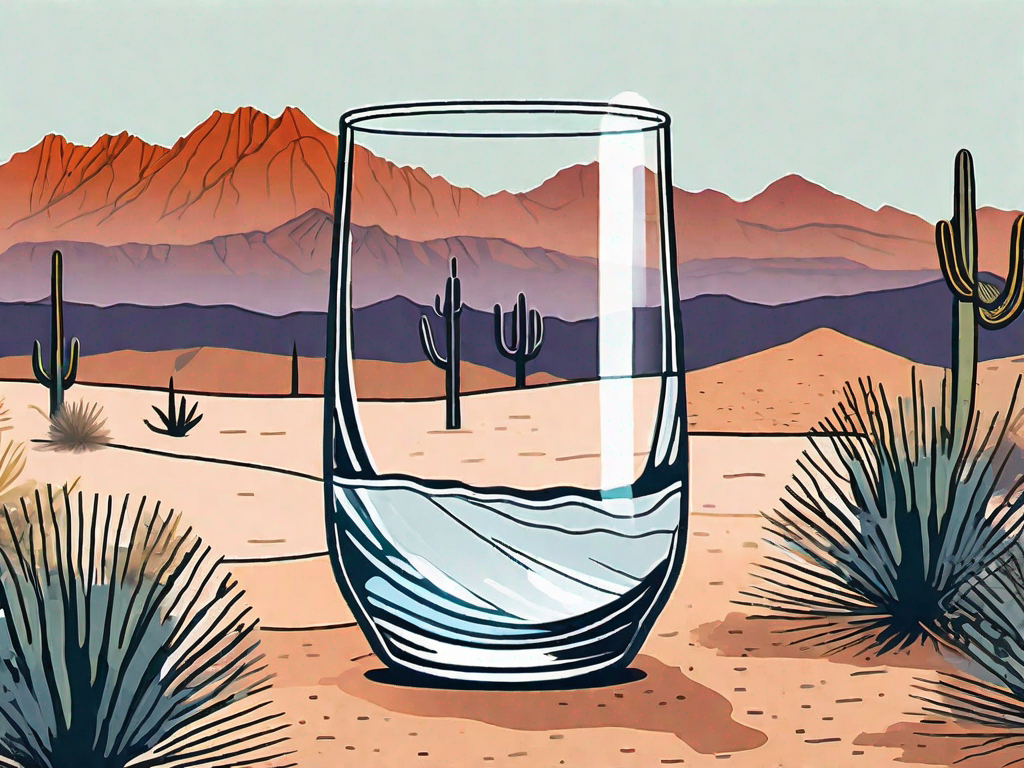
Feeling thirsty in the sunny desert of Catalina, Arizona? Before you gulp down that glass of water, let's dive into the basics of water safety. Understanding what constitutes safe drinking water is crucial for your well-being. So, grab a tall glass of cool water (but not from Catalina just yet) and let's quench our thirst for knowledge!
Understanding the Basics of Water Safety
When it comes to safe drinking water, quality is key. But what does that mean? Simply put, safe drinking water should be free from harmful contaminants and bacteria. It should be crystal clear, taste refreshing, and make you feel good inside. Picture it like drinking from a hidden mountain spring, with a sprinkle of magic added for good measure.
But let's dive deeper into the world of water safety. Understanding the basics is essential to ensure that every sip you take is not only enjoyable but also beneficial for your overall health.
What Constitutes Safe Drinking Water?
Safe drinking water should meet certain criteria to be considered, well, safe. It should contain low levels of impurities, ensuring it won't leave you with a sour taste in your mouth (both literally and figuratively). These impurities can include everything from chemicals like lead and chlorine to harmful bacteria that can ruin your day, or worse, your health.
When it comes to impurities, it's important to consider the source of your water. Is it coming from a municipal water supply or a private well? Each source may have different potential contaminants, requiring specific precautions to ensure the water is safe for consumption.
In addition to the source, the treatment process also plays a crucial role in ensuring safe drinking water. Water treatment plants use a combination of physical, chemical, and biological processes to remove impurities and make the water safe for consumption. These processes may include filtration, disinfection, and the addition of chemicals to neutralize any remaining contaminants.
Furthermore, safe drinking water should also be pH-balanced, meaning it has a neutral pH level. This ensures that the water is not too acidic or alkaline, which can have negative effects on your health over time.
Common Contaminants in Drinking Water
Now, let's talk about the not-so-fun part of water safety: the common contaminants lurking in your tap water. These unwanted guests can include heavy metals, toxic chemicals, microbes, and even that dreaded BPA. But fret not, as there are ways to keep these troublemakers out of your glass.
Heavy metals like lead, arsenic, and mercury can find their way into drinking water through various sources such as old plumbing systems or industrial waste. These metals can have detrimental effects on your health, especially when consumed over a long period of time.
Toxic chemicals like chlorine, fluoride, and pesticides can also be present in drinking water. While these chemicals may be added during the treatment process to kill harmful bacteria, excessive amounts can be harmful to your health. It's important to strike a balance between disinfection and minimizing chemical exposure.
Microbes such as bacteria, viruses, and parasites can contaminate water sources, especially if they come into contact with human or animal waste. These microscopic organisms can cause illnesses like diarrhea, vomiting, and even more severe infections in certain cases.
Lastly, the infamous BPA (bisphenol A) can be found in plastic water bottles and can leach into the water over time. BPA is known to mimic estrogen in the body and has been linked to various health issues, including hormonal imbalances and reproductive problems.
Now that you have a better understanding of the common contaminants in drinking water, it's important to take steps to protect yourself and your loved ones. Investing in a reliable water filtration system, regularly testing your water quality, and staying informed about potential risks in your area are all proactive measures you can take to ensure your water is safe to drink.
The Source of Catalina's Water Supply
Alright, now that we have a handle on water safety, let's take a closer look at where Catalina's water comes from. Are we talking shimmering springs or mysterious underground caves? Well, not exactly, but let's explore the natural water sources that provide Catalina with its liquid lifeline.
Natural Water Sources in Catalina
Catalina is blessed with several natural water sources that keep its residents hydrated. These sources range from lakes and rivers to underground aquifers. Mother Nature has graciously provided a bounty of water, so it's up to us to make sure it stays pristine and safe to drink.
Water Treatment Processes in Catalina
Before the water reaches your tap, it goes on a journey through various treatment processes. In Catalina, the water undergoes filtration, disinfection, and other fancy-pants processes to ensure it meets the highest standards of safety and quality. Imagine it like a water spa, where every drop is pampered and made loveable.
Testing Water Quality in Catalina
Now that we know where the water comes from and how it's treated, it's time to put on our lab coats and dive into the world of water quality testing. Regular checks are essential to catch any potential issues and ensure your water is as pure as a mountain stream.
Regular Water Quality Checks
Catalina takes water quality seriously, with regular testing conducted to ensure that it meets the highest standards. It's like giving your water a report card, making sure it doesn't fall behind in its studies (or rather, purification processes). These tests examine factors such as pH levels, mineral content, and the presence of any unsavory characters.
Public Access to Water Quality Reports
Transparency is the name of the game in Catalina. Water quality reports are made readily available to the public, allowing anyone to get a peek behind the curtain and see how their water measures up. It's like reading a really interesting book about water quality without the dry, scientific jargon.
Comparing Catalina's Water to National Standards
So, how does Catalina's water fare when compared to the big boys? Let's turn our attention to the oh-so-important EPA standards for drinking water and see how our desert oasis measures up.
EPA Standards for Drinking Water
The Environmental Protection Agency (EPA) has set strict guidelines for water quality, ensuring that we can all quench our thirst safely. These standards cover everything from lead and arsenic levels to microbial contaminants. The EPA wants your water to be as pure and clean as a snowflake falling on a mountaintop.
How Catalina's Water Measures Up
Now, for the moment of truth. Drumroll, please! Catalina's water undergoes rigorous testing to ensure it complies with the EPA standards. While there may be occasional blips on the radar, overall, the water quality in Catalina is considered safe and potable. So, raise your glass high and toast to safe sips!
Health Implications of Catalina's Water Quality
Now that we know Catalina's water is deemed safe, it's time to dive deeper into the health implications of its quality. After all, we want to ensure that drinking Catalina's water won't turn us into desert-dwelling dinosaurs!
Potential Health Risks
While the water in Catalina is generally safe, it's essential to be aware of potential health risks. These can vary from individual sensitivities to certain contaminants to specific health conditions that may be exacerbated by certain elements in the water. It's always wise to listen to your body and seek advice from a healthcare professional if you have any concerns.
Long-Term Effects of Drinking Contaminated Water
Drinking contaminated water over the long haul can have consequences. It's like leaving a stain behind on your favorite shirt – once it's there, it's not going anywhere. That's why ensuring the long-term safety of Catalina's water is crucial for the health and well-being of its residents. We all want to stay hydrated, healthy, and stain-free!
So, before you take that refreshing sip of water in Catalina, know that the water is generally safe to drink. The natural water sources, rigorous treatment processes, and regular testing ensure that Catalina's drinking water meets the highest standards of quality. Just remember, if in doubt, consult with a water expert or healthcare professional to quench any lingering concerns. Stay hydrated and enjoy the wonders of Catalina, where the water flows as freely as laughter in the desert breeze!







