If you're planning a trip to Cape Canaveral, Florida, you might find yourself pondering a crucial question: is the water safe to drink? In this article, we will explore the various factors that determine the safety of Cape Canaveral's water supply. So, hold on to your water bottles - we're about to dive in!
Understanding Water Safety Standards
Before we dive into the details, it's essential to understand the water safety standards that Cape Canaveral's water supply must meet. Let's take a closer look at the regulatory guidelines:
Federal Drinking Water Standards
The Environmental Protection Agency (EPA) sets stringent regulations on drinking water quality across the entire nation. These standards help ensure that the water you sip is safe and free from harmful contaminants.
Under the federal guidelines, the EPA establishes maximum contaminant levels (MCLs) for various substances that may be present in drinking water. These MCLs are based on extensive research and scientific studies to determine the levels at which contaminants can be harmful to human health.
Additionally, the EPA requires regular testing and monitoring of drinking water sources to ensure compliance with the established standards. Water treatment facilities are responsible for conducting these tests and reporting the results to the appropriate authorities.
Florida State Water Quality Regulations
On top of the federal guidelines, Florida also implements its own set of water quality regulations. These state-specific rules help address any unique challenges and ensure the health and well-being of Floridians.
Florida's Department of Environmental Protection (DEP) is responsible for overseeing the state's water quality regulations. They work in conjunction with the EPA to enforce the federal standards while also addressing any additional concerns specific to the state.
One of the key aspects of Florida's water quality regulations is the protection of its unique ecosystems, such as the Everglades and the state's extensive coastline. The DEP implements measures to prevent pollution and maintain the ecological balance of these delicate environments.
In addition to protecting the environment, Florida's water quality regulations also focus on ensuring the safety of public water supplies. The DEP sets standards for water treatment processes, distribution systems, and monitoring procedures to guarantee that the water delivered to homes and businesses is safe for consumption.
Similar to the federal guidelines, Florida's regulations require regular testing and monitoring of water sources. Public water systems are required to conduct routine sampling and analysis to assess the quality of the water and identify any potential issues.
By adhering to both federal and state water quality regulations, Cape Canaveral's water supply undergoes rigorous testing and treatment processes to ensure that residents and visitors have access to clean and safe drinking water.
The Source of Cape Canaveral's Water
Now that we understand the safety standards, let's turn our attention to the source of Cape Canaveral's water. When you turn on that faucet, where does the water actually come from? Let's find out:
Natural Water Sources in Cape Canaveral
Cape Canaveral is blessed with an abundant natural water supply. The pristine groundwater and surface water sources that feed into the area's water treatment plants serve as the primary source of drinking water.
The groundwater in Cape Canaveral is derived from the Floridan Aquifer, a vast underground reservoir that stretches across the state of Florida. This aquifer is composed of layers of limestone and sand, which act as natural filters, purifying the water as it percolates through the ground. The water collected from wells drilled into the Floridan Aquifer is rich in minerals and naturally free from contaminants.
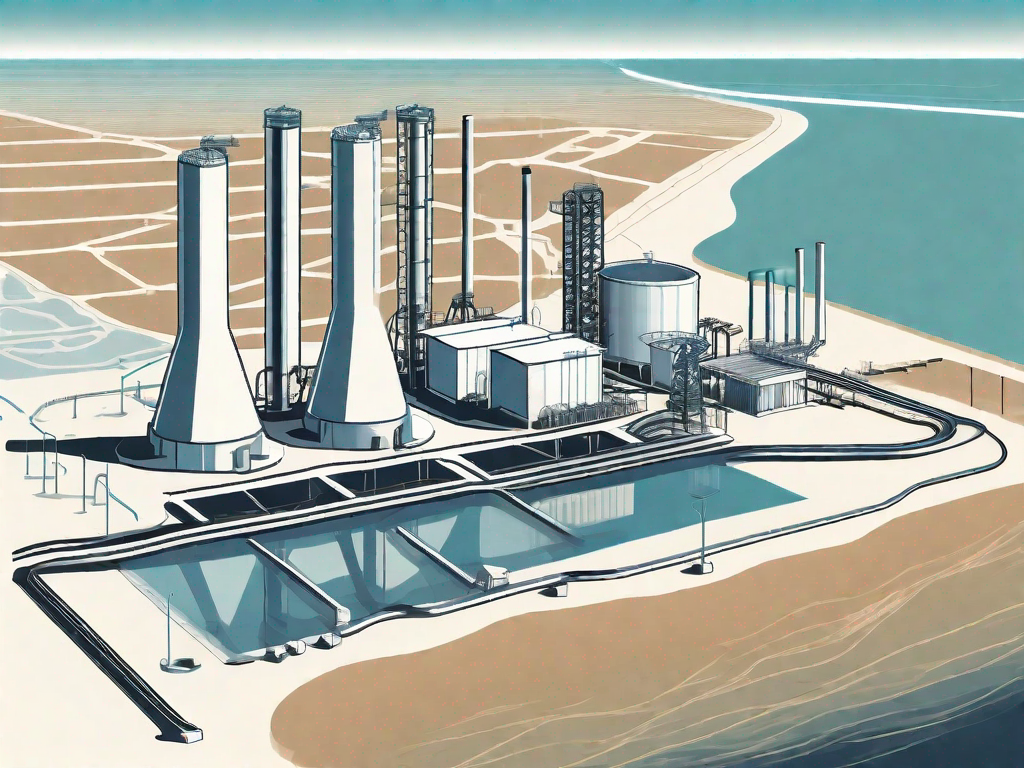
In addition to the groundwater, Cape Canaveral also benefits from surface water sources. The area is surrounded by the Atlantic Ocean and the Banana River, both of which contribute to the water supply. The ocean water undergoes desalination, a process that removes the salt and other minerals, making it suitable for consumption. The Banana River, on the other hand, is a freshwater source that requires less treatment before it can be used as drinking water.
Water Treatment Processes in Cape Canaveral
Before reaching your glass, the water undergoes essential treatment processes. These processes remove impurities, such as bacteria, viruses, and other contaminants, ensuring your water is clean and safe to drink.
Once the water is extracted from the natural sources, it is transported to the water treatment plants through an extensive network of pipes. At the treatment plants, the water goes through a series of steps to ensure its quality.
The first step is coagulation and flocculation, where chemicals are added to the water to help particles clump together. This process aids in the removal of suspended solids and impurities. The water then enters the sedimentation tanks, where the heavier particles settle to the bottom, forming a layer of sludge.
Next, the water undergoes filtration. It passes through layers of sand, gravel, and activated carbon, which act as physical barriers, trapping any remaining particles and impurities. This filtration process further purifies the water, making it clearer and safer.
After filtration, the water is disinfected to eliminate any harmful microorganisms. Chlorine or other disinfectants are added to kill bacteria, viruses, and parasites that may be present in the water. This step ensures that the water is free from any potential health hazards.
Finally, the treated water is stored in large reservoirs before it is distributed to homes, businesses, and other establishments through a complex system of pipes. The water is constantly monitored and tested to ensure its quality meets the stringent standards set by regulatory agencies.
So, the next time you turn on your faucet in Cape Canaveral, remember that the water you drink has gone through a meticulous process to ensure its safety and purity. From the natural sources to the treatment plants, every step is taken to provide clean and reliable water to the community.
Potential Contaminants in Cape Canaveral's Water
While Cape Canaveral's water undergoes rigorous treatment, it's worth exploring the potential contaminants that could pose a risk to your sipping satisfaction:
Industrial Pollutants and Their Effects
As a coastal area, Cape Canaveral faces potential risks from industrial pollutants. However, strict regulations and regular monitoring help ensure that any industrial contaminants are kept at bay, protecting the quality of the water supply.
Natural Contaminants and Their Impact
Nature can sometimes have a sneaky way of introducing contaminants into the water supply. For example, heavy rainfall can lead to runoff, carrying natural pollutants into the water sources. Nevertheless, Cape Canaveral's water treatment processes effectively tackle these challenges, retaining the water's safety.
Testing and Monitoring of Cape Canaveral's Water
Now, let's shed some light on the measures taken to continuously test and monitor Cape Canaveral's water quality:
Regular Water Quality Testing Procedures
The water treatment facilities in Cape Canaveral adhere to stringent testing procedures. These regular tests ensure that the water quality meets and exceeds the required standards. So, you can sip away without a care in the world!
Public Access to Water Quality Reports
Transparency is key when it comes to your drinking water. That's why Cape Canaveral makes water quality reports easily accessible to the public. These reports provide detailed information about the water's composition, testing results, and any potential issues addressed by the water treatment facilities.
Comparing Cape Canaveral's Water to Other Regions
Curious how Cape Canaveral's water measures up against other regions? Let's take a closer look:
Water Quality in Nearby Florida Cities
In comparison to other Florida cities, Cape Canaveral boasts commendable water quality. The strict regulations in place, coupled with diligent monitoring, help ensure that the water you drink is not only safe but also refreshingly enjoyable!
Nationwide Water Quality Comparison
Now, let's zoom out and examine the bigger picture - how does Cape Canaveral's water quality compare to the national average? Fortunately, Cape Canaveral consistently meets and often exceeds the stringent federal drinking water standards, putting your mind at ease.
In conclusion, Cape Canaveral, Florida, proudly offers safe and clean drinking water. From natural water sources to thorough treatment processes, stringent testing to accessible reports, Cape Canaveral goes above and beyond to ensure your sipping satisfaction. So, when you visit this beautiful coastal city, raise your glass and drink with confidence!







