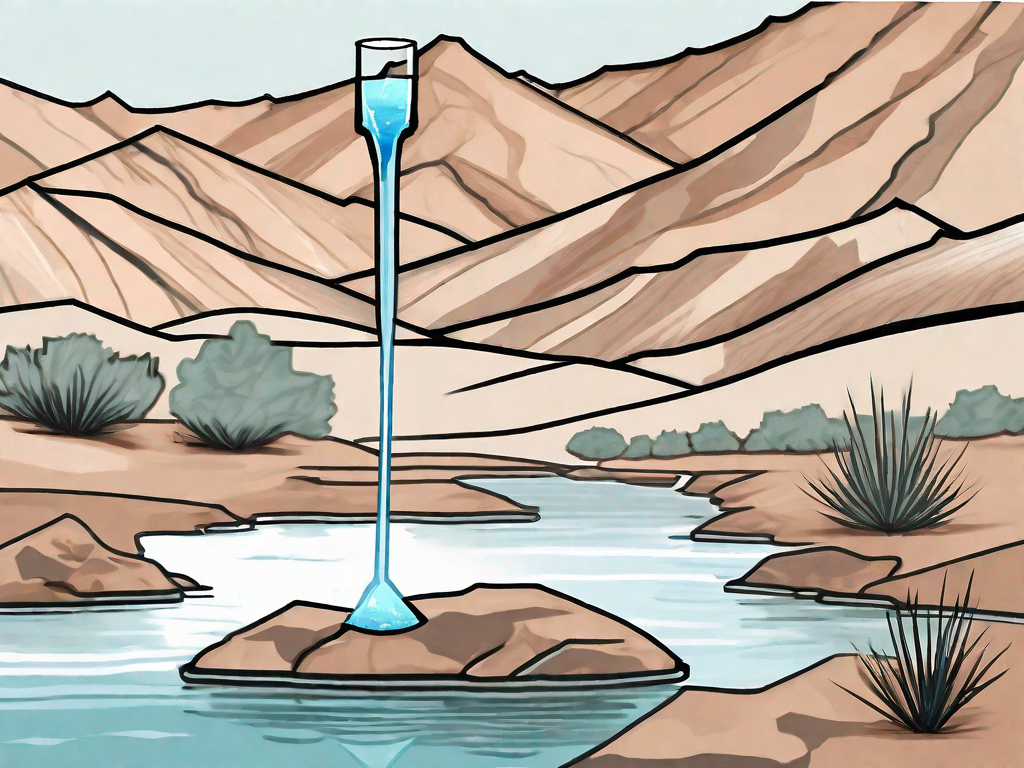
The water in Battle Mountain, Nevada has been a topic of debate for many residents. Some claim it's as refreshing as a desert oasis, while others have their doubts. So, is Battle Mountain's water safe to drink? Let's dive in and explore the fascinating world of water quality!
Understanding Water Quality Standards
Water quality standards play a crucial role in determining the safety of our drinking water. Fortunately, the Environmental Protection Agency (EPA) is here to ensure that we gulp down only the purest of liquids.
Water quality standards are guidelines or regulations that establish the acceptable levels of contaminants and pollutants in our water sources. These standards are set by government agencies, such as the EPA, to protect public health and the environment. By adhering to these standards, we can ensure that our drinking water is safe and free from harmful substances.
The Role of the EPA in Water Quality
The EPA plays a vital role in maintaining and improving water quality across the United States. They set regulations and monitor water quality to protect public health and the environment. Through extensive research and analysis, the EPA establishes maximum contaminant levels for various substances that may be present in our water sources.
One of the primary responsibilities of the EPA is to regulate the levels of contaminants that can be found in our drinking water. For example, they set limits for substances like lead, arsenic, and coliform bacteria. By enforcing these standards, the EPA ensures that our drinking water is safe and free from harmful pollutants.
In addition to setting standards, the EPA also conducts regular monitoring and testing of water sources to assess their quality. This involves collecting samples from different locations and analyzing them for various indicators of water safety.
Key Indicators of Water Safety:
When it comes to assessing water safety, several indicators are taken into consideration. These indicators provide valuable information about the quality of our water sources and help identify potential risks to public health.
pH levels: pH is a measure of the acidity or alkalinity of water. It is an important indicator because extreme pH levels can affect the taste, odor, and overall quality of water. The EPA sets specific pH ranges to ensure that our drinking water is neither too acidic nor too alkaline.
Turbidity: Turbidity refers to the clarity or cloudiness of water. It is caused by suspended particles, such as sediment, algae, or other organic matter. High turbidity levels can indicate the presence of pollutants or contaminants in the water. The EPA sets limits for turbidity to ensure that our drinking water is visually clear and free from harmful substances.
Chemicals and pathogens: The presence of chemicals and pathogens in water can pose significant health risks. The EPA monitors and regulates the levels of various chemicals, such as pesticides, heavy metals, and disinfection byproducts, to ensure that they are within safe limits. Additionally, the presence of harmful bacteria, viruses, and parasites, collectively known as pathogens, is also closely monitored to prevent waterborne diseases.
By considering these key indicators, the EPA can assess the overall safety and quality of our drinking water. Through their efforts, they strive to protect public health and ensure that we have access to clean and safe water for drinking, cooking, and other daily activities.
The Source of Battle Mountain's Water
Now that we understand the basics, let's find out where Battle Mountain's water comes from. Spoiler alert: It's not from a hidden waterfall guarded by unicorns.
Natural Water Sources in Nevada
Nevada is known for its majestic deserts, but there's more to its water sources than meets the eye. Battle Mountain gets its water from both groundwater wells and surface water supplies. Mother Nature truly is the ultimate mixologist!
The Impact of Mining on Water Quality
Living in a mining town comes with its perks, but it also raises questions about water quality. While mining does have an impact, stringent regulations and wastewater treatment help ensure that drinking water remains safe for residents. So, rest assured, adventurers!
Water Treatment in Battle Mountain
Before water reaches our taps, it undergoes a series of treatments. It's like a day at the spa for water molecules!
Steps in the Water Treatment Process
Battle Mountain's water treatment process involves various stages, including coagulation, sedimentation, filtration, and disinfection. Trust us; your water gets pampered more than you do!
Battle Mountain's Water Treatment Facilities
State-of-the-art water treatment facilities in Battle Mountain ensure that we're sipping on the cleanest H2O. These facilities are equipped with advanced technologies to remove impurities and maintain the town's water standards. Cheers to that!
Recent Water Quality Tests in Battle Mountain
Curious about the latest water quality tests? Imagine scrolling through your social media feed, but instead of cat videos, it's all about the water we drink.
Interpreting Water Quality Test Results
Water quality tests measure the concentration of contaminants, such as lead, chlorine, and nitrates. These results are then compared to the EPA's standards to determine water safety. Time to put on our water detective hats!
How Often is Battle Mountain's Water Tested?
Testing, testing, one-two-three! Battle Mountain's water supply is regularly tested to ensure its safety. This continuous monitoring keeps our water quality in check and our worries at bay.
Health Implications of Drinking Unsafe Water
We've covered the nitty-gritty of water quality, but what happens if we accidentally sip some questionable water? Brace yourself for a health journey!
Common Contaminants and Their Effects
From upset stomachs to long-term health risks, drinking water contaminated with substances like lead or pesticides can have serious consequences. Thankfully, Battle Mountain's water is diligently treated to avoid such unwelcome guests.
Long-Term Risks of Drinking Contaminated Water
Consistently drinking contaminated water can lead to chronic health conditions, such as kidney damage or even certain types of cancer. That's why Battle Mountain's water quality is a top priority for the EPA and local water authorities!
In conclusion, Battle Mountain, Nevada's water is indeed safe to drink. With rigorous testing, advanced treatment facilities, and the guiding hand of the EPA, residents can turn on their faucets with peace of mind. So, grab a glass of Battle Mountain's finest, raise it high, and toast to good health!







